Denti-Cal Orthodontist in West Covina, CA

Book Now
Young girl smiling with braces and giving a thumbs-up at One Smile Orthodontics in West Covina

Denti-Cal Orthodontist in West Covina, CA

Skip to content

Home/Patient resources/Insurance/Denti-Cal Orthodontist

CLEAR ANSWERS FOR YOUR FAMILY.

Denti-Cal Orthodontist in West Covina, CA

A guide to Medi-Cal Dental orthodontic screening, eligibility and the steps ahead.

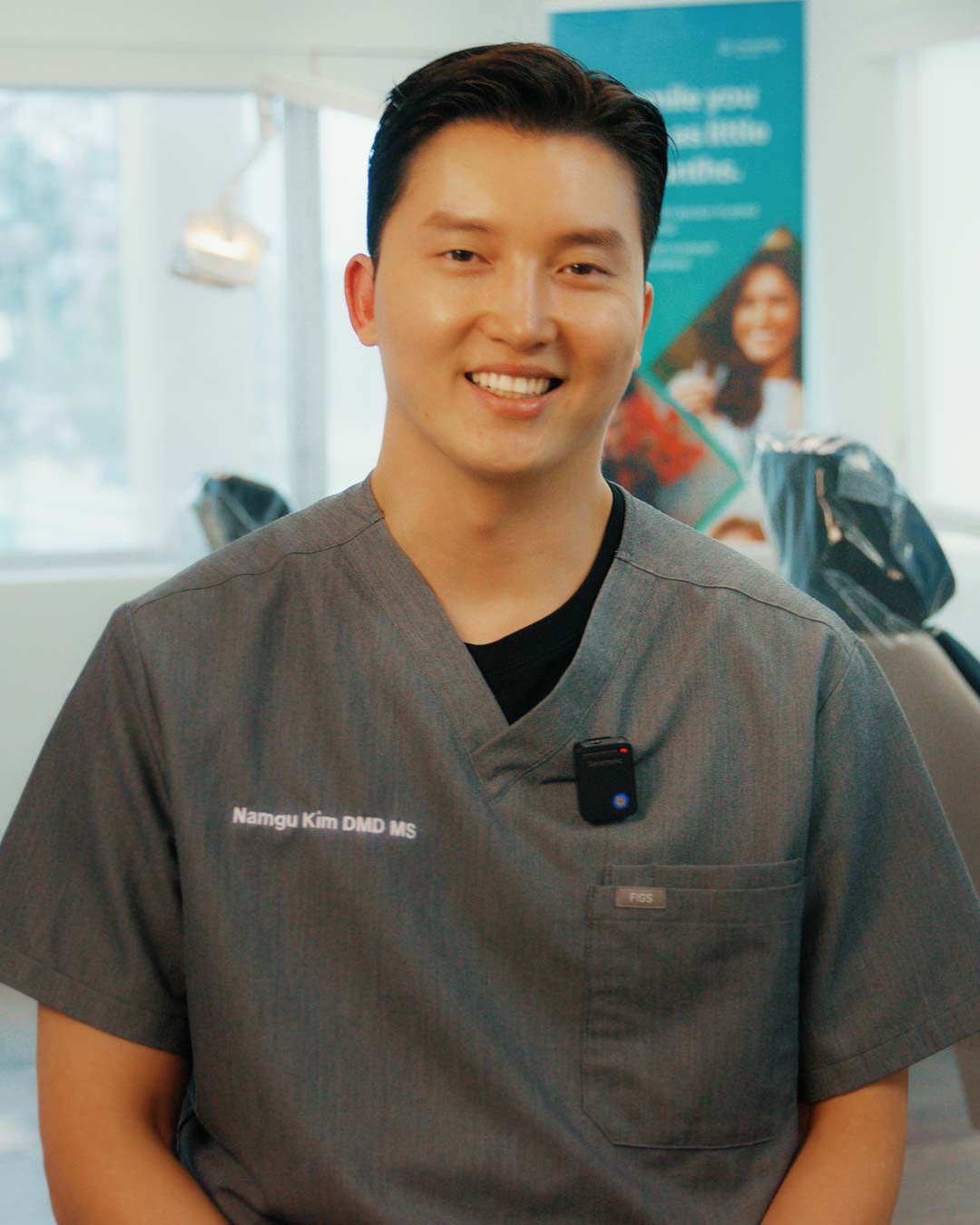
Dr. Namgu Kim, DMD, MSBoard-certified orthodontist · Personal treatment planning

ONE SMILE ORTHODONTICS
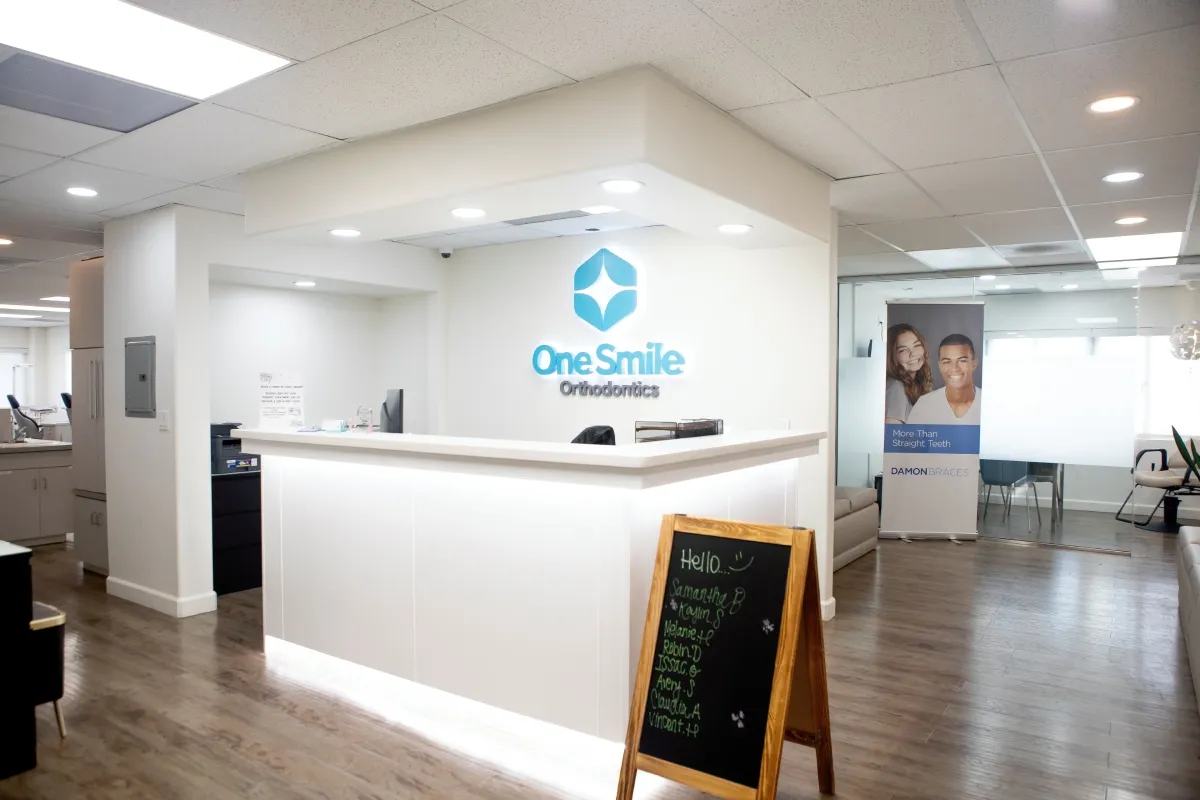
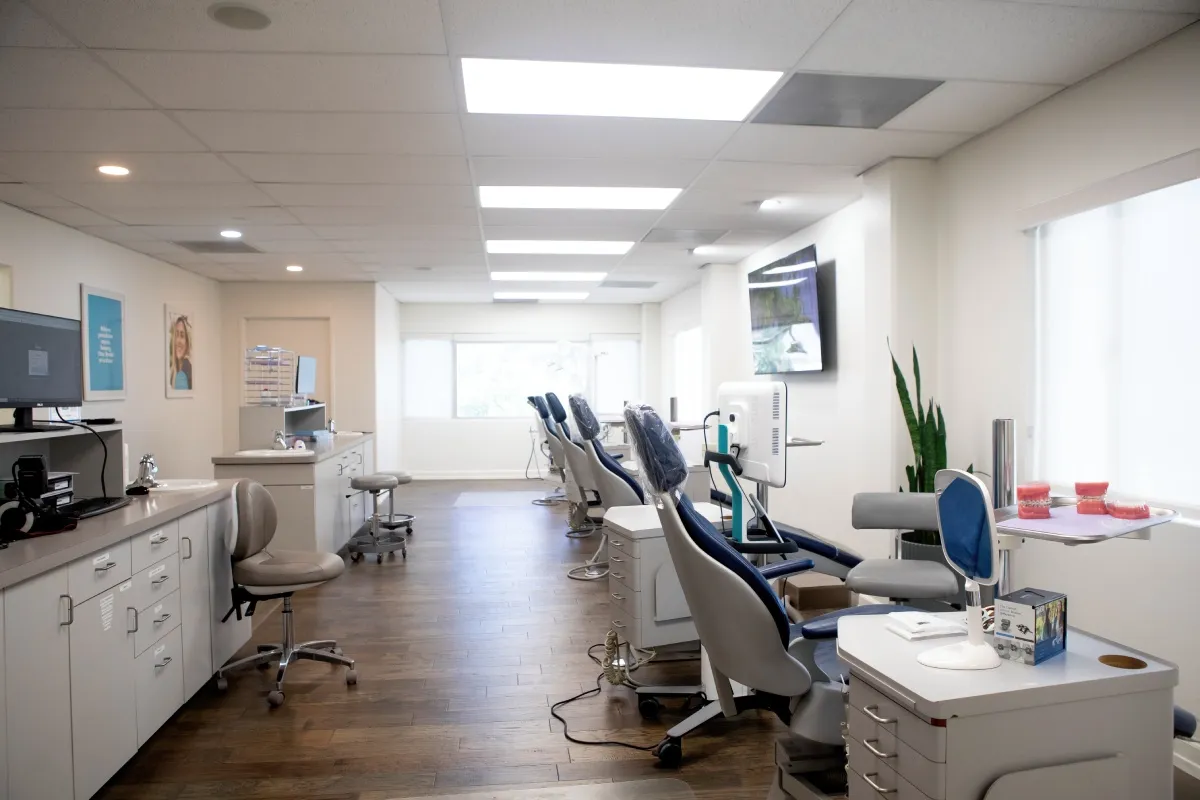
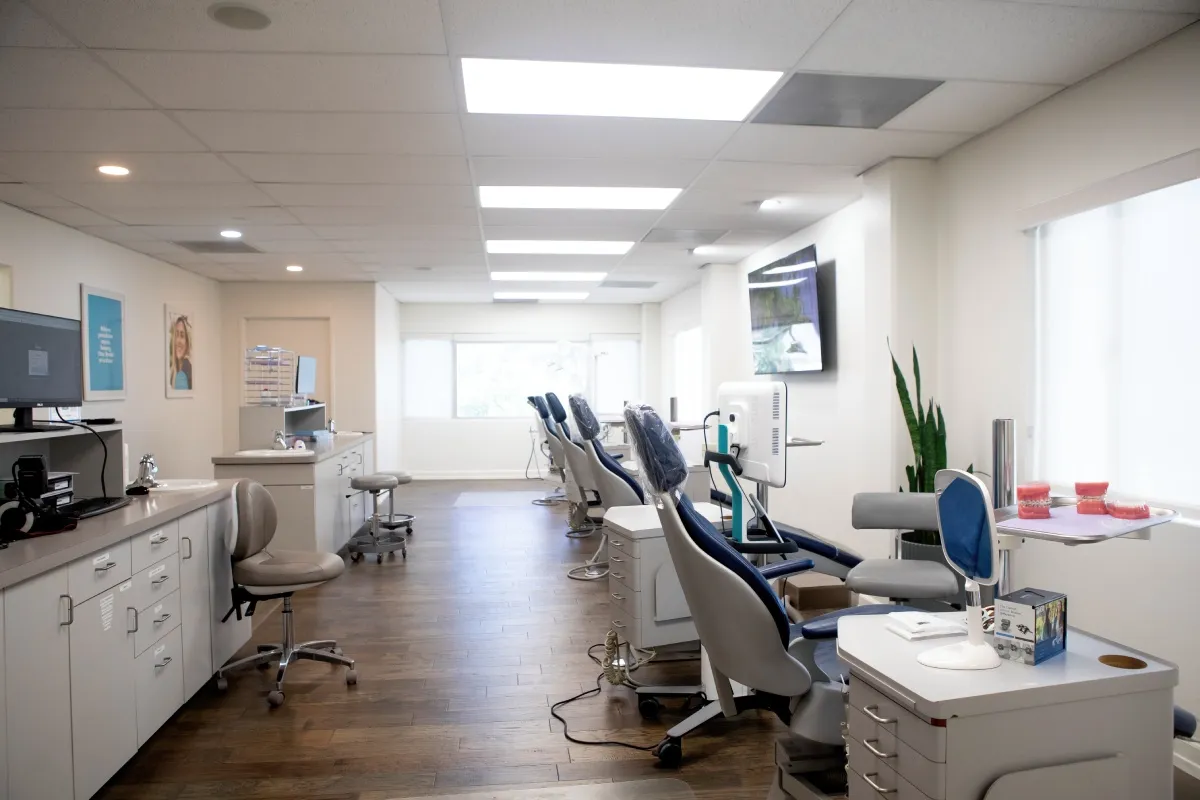
Treatment area at One Smile Orthodontics
Your next step starts here.One Smile Orthodontics · West Covina treatment area

AT A GLANCE

01

Begin with a screening

An examination helps assess clinical need.

02

Coverage is reviewed

Eligibility and prior authorization must be confirmed.

03

Know the next step

We explain what to bring and how the review works.

CARE WITH INTENTION

Clear answers for your family.

One Smile Orthodontics accepts Medi-Cal Dental, often called Denti-Cal, and can discuss orthodontic screening for eligible families. Coverage for braces is not automatic: eligibility, clinical criteria and prior authorization must be reviewed. Contact our West Covina office to confirm current appointment availability, your dental plan and the appropriate next step for your child.

In this guide

I separate three questions when explaining Medi-Cal Dental orthodontic coverage: Is the patient eligible for the program? What does the examination show? Has the requested treatment received written authorization? Keeping those decisions separate helps families understand what a screening result does—and does not—mean. “Denti-Cal” is a name many families still use for Medi-Cal Dental. [1]

Eligibility, clinical findings and authorization are separate decisions

A child may be enrolled and have an orthodontic concern without the requested treatment being authorized. An appointment confirmation also does not establish coverage. I want families to know which decision has actually been made before treating the next step as settled.

The November 2026 Manual of Criteria describes benefits for medically necessary handicapping malocclusion, cleft palate and facial growth management for patients under 21, with prior authorization. For the usual handicapping-malocclusion pathway, permanent dentition is generally required. The manual specifies exceptions, including patients 13 or older with primary teeth remaining and cleft/craniofacial cases. [2]

Understand the coverage route behind an HLD score

The Handicapping Labio-Lingual Deviation index, or HLD, records defined bite findings. California’s form states: AUTHORIZATION OF SERVICES IS BASED ON MEDICAL NECESSITY. I would not describe the number alone as an approval or a denial; the applicable route and supporting records also matter. [3]

Words such as “overbite” and “crowding” describe a concern but do not establish that the form’s qualifying measurements are met. A photograph without an examination is not a substitute for those findings. The table distinguishes the routes without asking you to diagnose or score the bite yourself. [3]

Route consideredHow to understand it
HLD scoring routeThe form uses a threshold of 26 points. The score supports a request; it is not the written authorization. [3]
Automatic-qualifying conditionThe form lists specifically defined conditions that use a separate route. “Automatic” does not remove documentation and authorization requirements. [3]
EPSDT medical-necessity reviewThe EPSDT route considers medically necessary services for members under 21 beyond standard coverage criteria; the next section explains the supporting evidence. [4]

Explain the medical need when standard criteria do not settle the request

Early and Periodic Screening, Diagnostic and Treatment (EPSDT) provides a review route for members under 21. DHCS describes consideration of medically necessary services outside standard criteria. A case below 26 without an automatic-qualifying condition may still be considered; that possibility is not a promise of approval. [4]

For orthodontic review, DHCS calls for a completed HLD form, applicable supporting records and diagnostic casts, with an explanation of the condition and why the proposed treatment is medically necessary. Specialist documentation can support a related medical condition. [4]

The distinction I want you to understand is between a description of crooked teeth and evidence supporting this particular request. Repeating the score or a wish for straighter teeth does not explain the medical need. The relevant findings and records must do that work.

Track the request from examination to written decision

For comprehensive adolescent orthodontic treatment, the current manual requires a prior-authorization submission covering treatment, periodic visits and retention, supported by diagnostic casts and a completed HLD form. Some conditions need specialist documentation. Necessary dental care that affects orthodontic treatment must also be addressed before treatment is considered. [2]

An office examination is different from a state-requested clinical screening. The member handbook explains that Medi-Cal Dental may request a separate screening to evaluate a treatment authorization request. If you receive that notice, follow its attendance instructions. [5]

I separate a submitted request from an authorized start. Keep the examination date, outstanding records, submission date and written decision together. If the process pauses, this record helps identify whether information is missing, a screening is requested or a decision needs review. Submission alone does not establish a treatment-start date.

Bring the history of the request as well as the insurance card

Bring the Benefits Identification Card, photo identification and information about other dental coverage, as described in the member handbook. Include an earlier decision letter or orthodontic treatment history if you have one. Those documents help distinguish a new concern from a request or treatment already in progress. [5]

Write down the concern in your own words and bring relevant referrals or specialist reports. You do not need to arrive with your own HLD score. Before obtaining extra imaging or repeating records, ask the treating office what is required for the case.

Before booking, confirm current provider participation and whether the office can see the patient under the applicable program. DHCS offers provider-finding help at (800) 322-6384. For One Smile, ask the team to confirm participation and available appointments for the exact coverage; this guide does not establish either. [1]

Let the written reason determine the next step

A request for missing records calls for a different response from a denial based on a coverage criterion. Read the notice with the treating office and identify the reason before deciding how to respond. If you disagree, follow the appeal or State Hearing instructions that apply to that notice. DHCS and managed-care decisions can have different procedures and deadlines. [6]

Questions patients ask

Does an HLD score of 26 guarantee that braces will be approved?

No. It is a qualifying scoring route, not a substitute for review of medical necessity, records, eligibility and the requested treatment. Ask for the written determination rather than treating a screening score as final authorization. [3]

What if the patient is close to turning 21?

Raise this before planning treatment. The current manual limits authorization and payment after the month of the patient’s 21st birthday. Ask for a clear explanation of how age, eligibility and the anticipated treatment timeline affect the case. [2]

Does a transfer from another orthodontist automatically preserve coverage?

Bring the earlier authorization and treatment history. Ask how the remaining care will be handled and review the written coverage information. An existing appliance does not establish the status of a new request.

Can I ask for a written treatment plan?

Yes. The member handbook describes the right to a written or electronic treatment plan explaining proposed dental treatment and covered services. Ask which services are being requested, which remain undecided and whom to contact about the decision. [5]
Sources and further reading

California Department of Health Care Services
California Department of Social Services
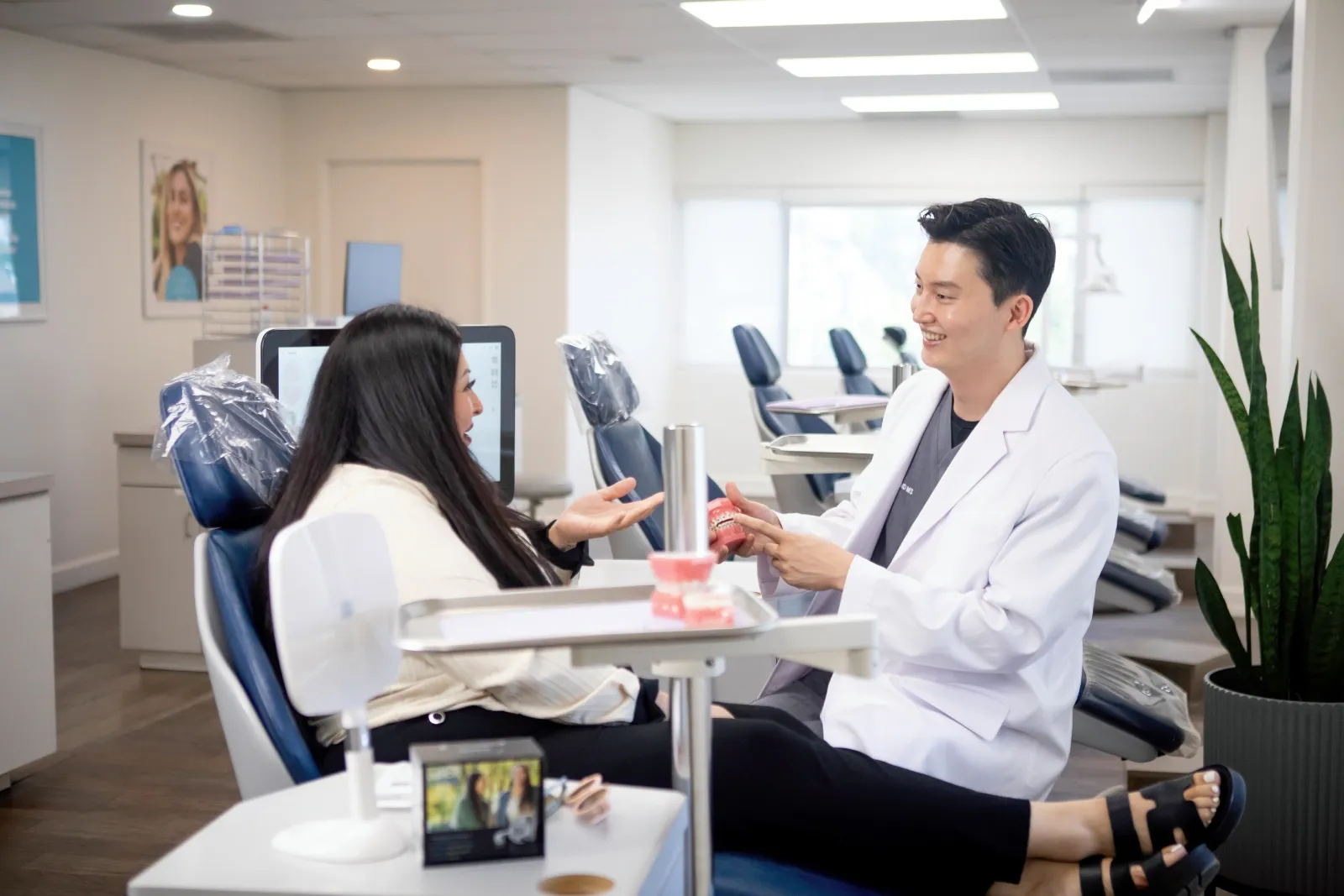
Dr. Namgu Kim at One Smile Orthodontics

MEET YOUR ORTHODONTIST

A considered plan.
A familiar face.

Bring your questions and your current Medi-Cal information. Our team can explain screening, authorization and what the next step involves.

Namgu Kim, DMD, MSBoard-certified orthodontist
More about Dr. Kim

ONE CONVERSATION CAN START IT.

Let’s find your
next step.

Tell us what brings you in. We’ll help you understand the visit and what to bring.

Ask about eligibilityBook a consultation

West Covina · Thursday hours until 7:30 PM
Appointment times subject to availability.

No items found.

Which Orthodontic Treatment Is Right for You?

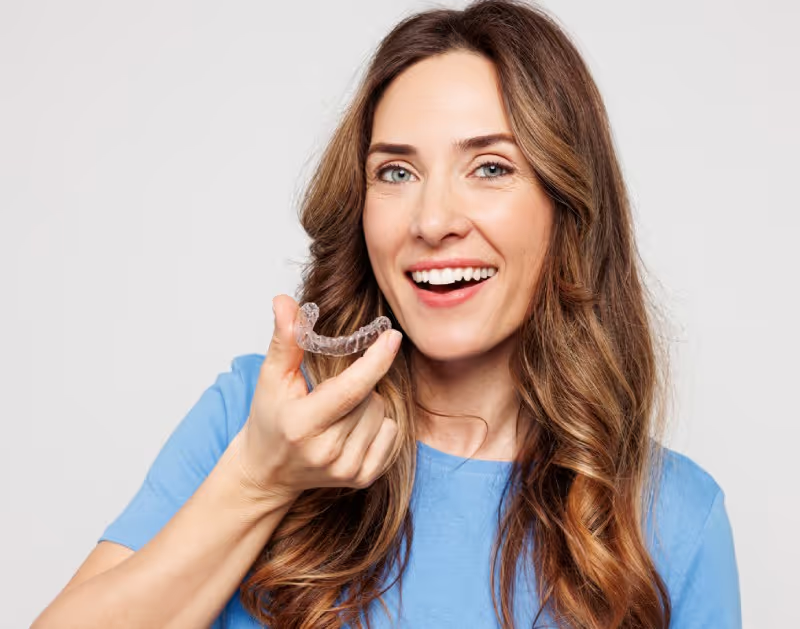
Clear Aligners

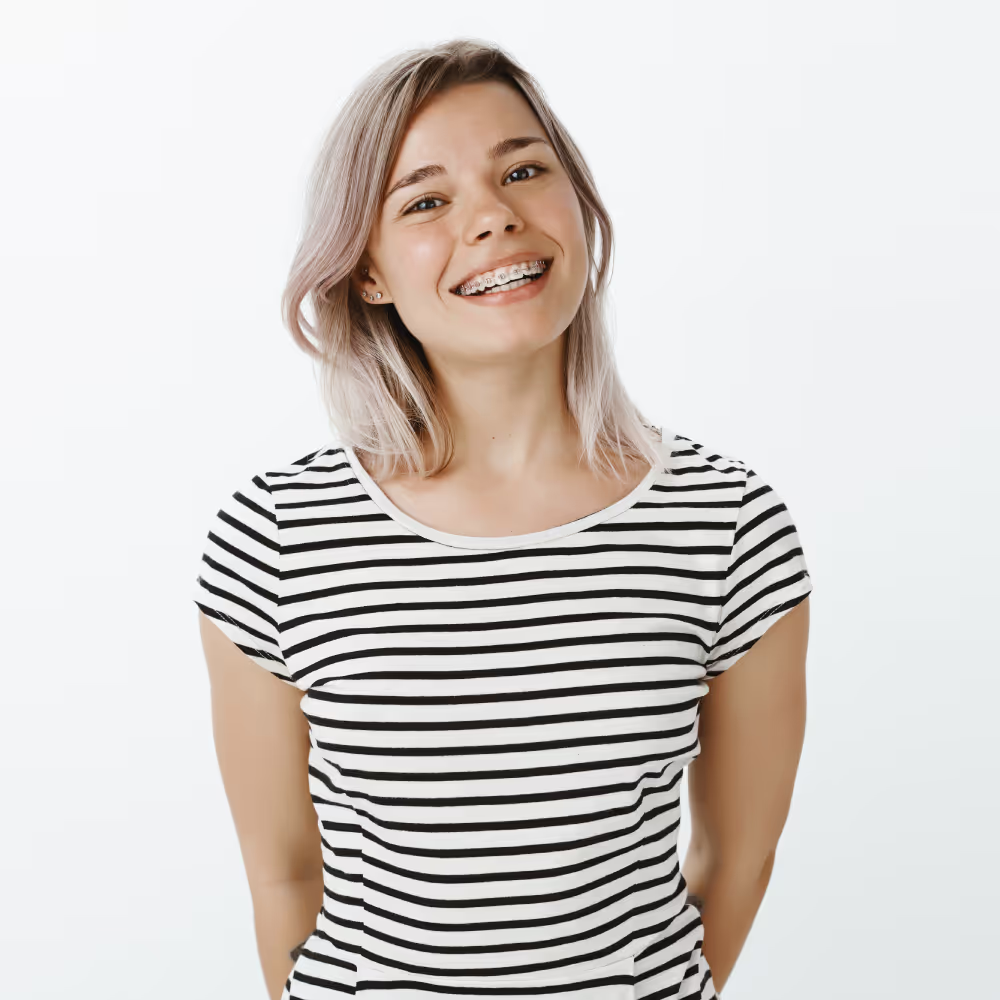
A woman in a black and white striped shirt.

Damon Braces

Cost

Cost

$2,500 - $7,550
$2,950 - $6,550

Visibility

Slightly visible
Visible

Appliance Type

Removable
Bonded to teeth

Discomfort

More comfortable than braces
Some soreness

Speech

Mild lisp
Some speech changes

Best For

Mild to severe cases

Food Restrictions

No limitations
Some limitations

Appointments Interval

10-14 weeks
6-10weeks

Book Now
No items found.

Frequently asked questions

Find answers to common questions from our clients.

No items found.

Real smiles.
Real stories.

If you are an adult patient who is considering a ortho treatment that you've been thinking about for your entire life, I highly recommend Dr. Kim. I was initially nervous about the process but Dr.Kim was very attentive and took time to come up with the plan that will address my concerns so I decided to start the treatment. My two main concerns were crowded lower anterior teeth and narrow upper jaw. Before starting the treatment, Dr. Kim clearly explained the treatment plan and timeline, which helped alleviate my concerns. Since I didn't want to wear the palate expander, Dr. Kim came up with alternative solution that can be done with Invisalign. Even as a first time ortho patient, I felt treatment plan was well thought out and precisely moving my teeth without causing excessive pain. I'm currently done with my initial treatment and waiting for refinements sets but I'm already very happy with the results so far. One Smile Orthodontics truly lives up to its name.

Yubin S.

I don't normally leave reviews, but after visiting Dr. Namgu Kim I feel compelled to share it.

I went for a consultation about possibly getting braces or Invisalign, and as someone who always had a lot of anxiety around dental visits, I was honestly nervous walking in. But the moment I met Dr. Kim, I felt at ease. He has a reassuring presence and a genuine way of listening that makes you feel cared for as a patient -- not rushed, not pressured, just understood.

Dr. Kim took the time to thoroughly examine my teeth, explain what he was seeing, and walk me through my options in a way that was clear and easy to understand. He pointed out details that other dentists had overlooked and laid out a step-by-step plan that made me feel confident about what comes next. He focused on what would genuinely serve my needs and comfort level. As someone with dental anxiety, that meant a lot. For the first time, I felt like I was in the hands of a specialist who really prioritized my well-being.

If you're considering orthodontic treatment -- Invisalign, braces, or even just a professional opinion -- I cannot recommend Dr. Namgu Kim highly enough. His expertise is exceptional, his communication is clear, and his compassion is unmatched. I walked out feeling informed, supported, and surprisingly excited about the next steps. Thank you!

Nick L.
Smiling woman showcasing her smile