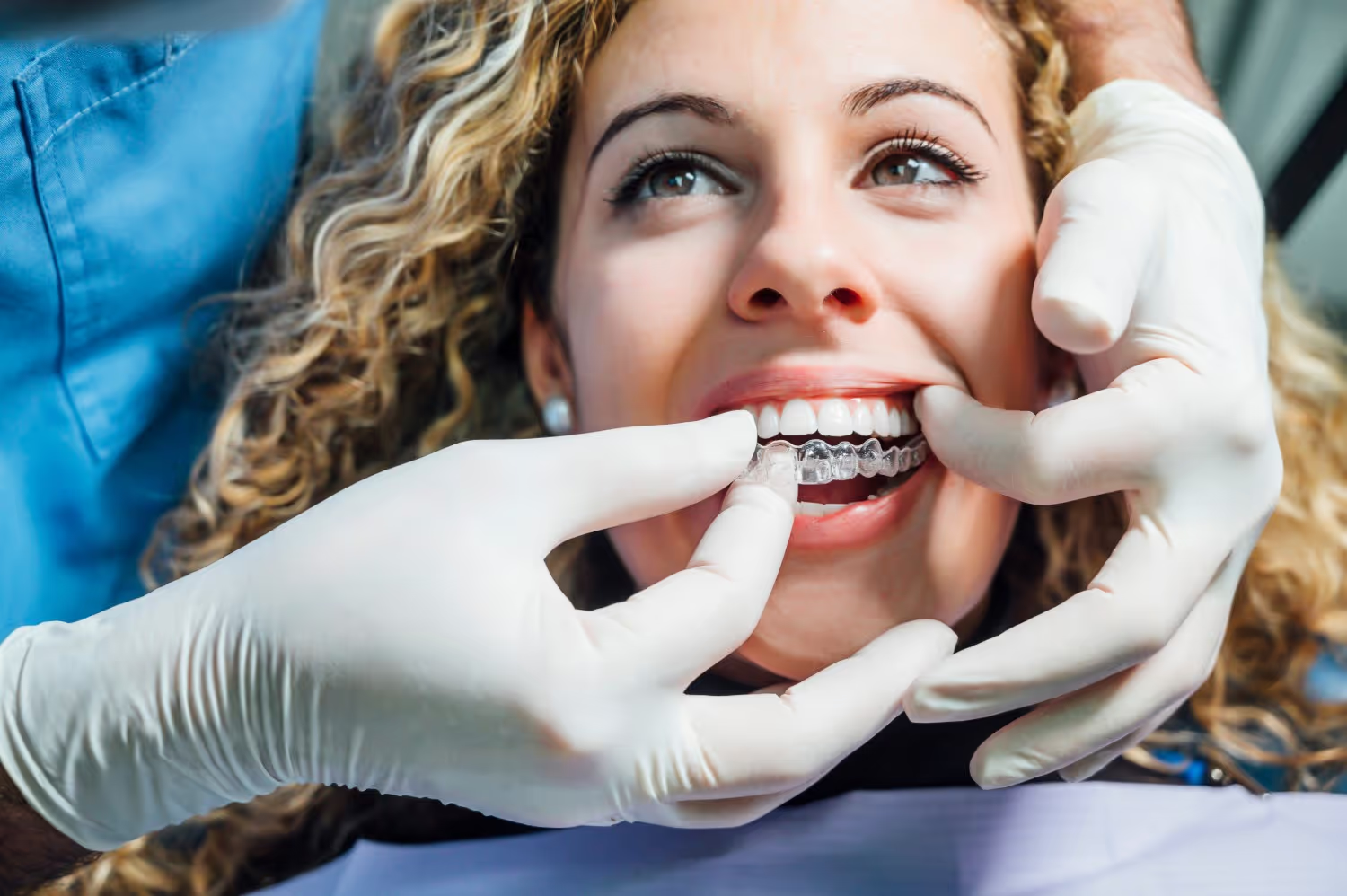
Would Invisalign work for the change I want?
If one lower front tooth has turned since you last wore a retainer, bring the old retainer to your visit if you have it. I’ll look at the tooth you want to straighten and where your upper and lower teeth touch. Sometimes the change you see in the mirror and the change you feel when you chew are two different things.
With Invisalign®, I pay attention to how the tray fits over each tooth. A gap between a tooth and the edge of the tray is something you can spot in a mirror, too. If you see one, call us before moving on to the next tray. Here’s what I look for when I check the fit.
Namgu Kim, DMD, MS · Board-certified orthodontist at One Smile Orthodontics
Already have an Invisalign plan or quote? Bring it in. I’ll give you my take on what I’d keep, what I’d do differently, and where I see room to improve the plan.
We’ll also go over what your quote includes, like additional aligners and retainers. See what affects the cost of Invisalign.
For a Thursday visit after school or work, call (626) 388-2621. Our West Covina office at 933 S Sunset Ave, Suite 208 is open until 7:30 p.m. on Thursdays.
The Benefits of Invisalign®
What the trays look like
The trays are clear, but small tooth-colored attachments sometimes show when you smile. Ask which teeth would need them in your plan. The manufacturer shows what Invisalign attachments look like.
Taking trays out for meals
You can remove the trays to eat and to brush and floss. At school or work, keep the case where you eat lunch so you have somewhere to put them. The American Association of Orthodontists’ guide to aligners covers daily wear and cleaning.
Checking the fit
At your first fitting, ask to see how the tray sits against the biting edge of a front tooth. Look at the same spot in your own mirror so you know what a good fit looks like for you.
Which Orthodontic Treatment Is Right for You?

Clear Aligners

Damon Braces
Cost
Cost
Visibility
Appliance Type
Discomfort
Speech
Best For
Food Restrictions
Appointments Interval
The Invisalign® Treatment Process: What to Expect


Your first visit
Tell Dr. Kim what brought you in. If your teeth have shifted since previous treatment, bring your old retainer if you have it. He examines your bite and explains which records would help him compare your options.
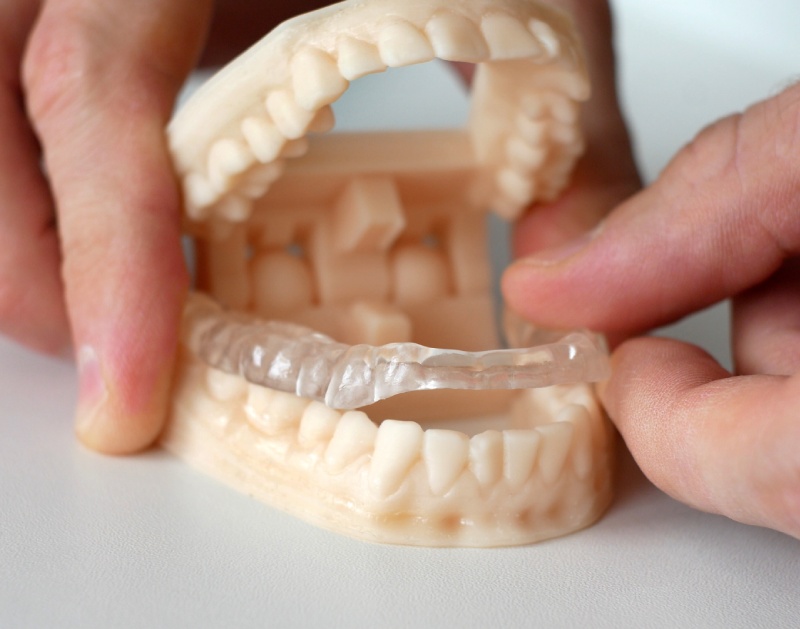

Seeing the plan on a scan
If you choose aligners, a digital scan helps Dr. Kim plan the sequence of tooth movements. Ask him to point out the movement that matters most to your bite and how he will check it at later visits.
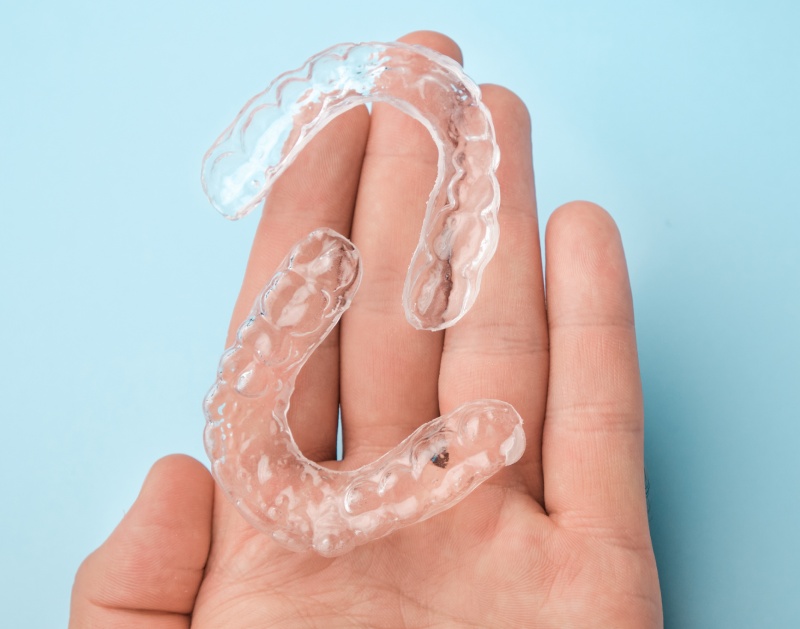

Your aligners arrive
Once your aligners are ready, we’ll show you how to wear them, when to switch to the next set, and how to care for them. Most patients wear their aligners 20–22 hours a day for best results.


Checking progress and planning for retainers
Dr. Kim checks how your teeth are moving at follow-up visits and sets your next appointment based on your progress. Before treatment ends, ask which retainer he recommends, how to wear it and what a replacement would cost.
Frequently asked questions
Find answers to common questions from our clients.
Dr. Kim can estimate a timeline after examining your teeth and bite. Moving a few front teeth and changing how the back teeth meet are different goals. Ask what your estimate covers and what might change it during treatment.
A new tray can feel snug. At a checkup, I look at the tray fit and the position of your teeth to see how treatment is progressing. Call our office if pain is sharp, lasts or gets worse. The FDA’s guide for aligner patients lists symptoms to discuss with your provider.
I start with the tooth movement we need, then ask how the appliance would fit your day. If removing trays at lunch means you’re unlikely to wear them again until dinner, tell me. That matters when we compare a removable tray with a bracket that stays on the tooth. Read how I choose between Invisalign and braces.