In this guide
I’m Dr. Namgu Kim. A Damon recommendation should make sense as a treatment plan, not just as a bracket name. The built-in door explains how the wire is held. The questions I want this guide to make clearer are what the teeth need to do, what the evidence actually measured and which promises the evidence cannot support. [1]
What does “self-ligating” mean?
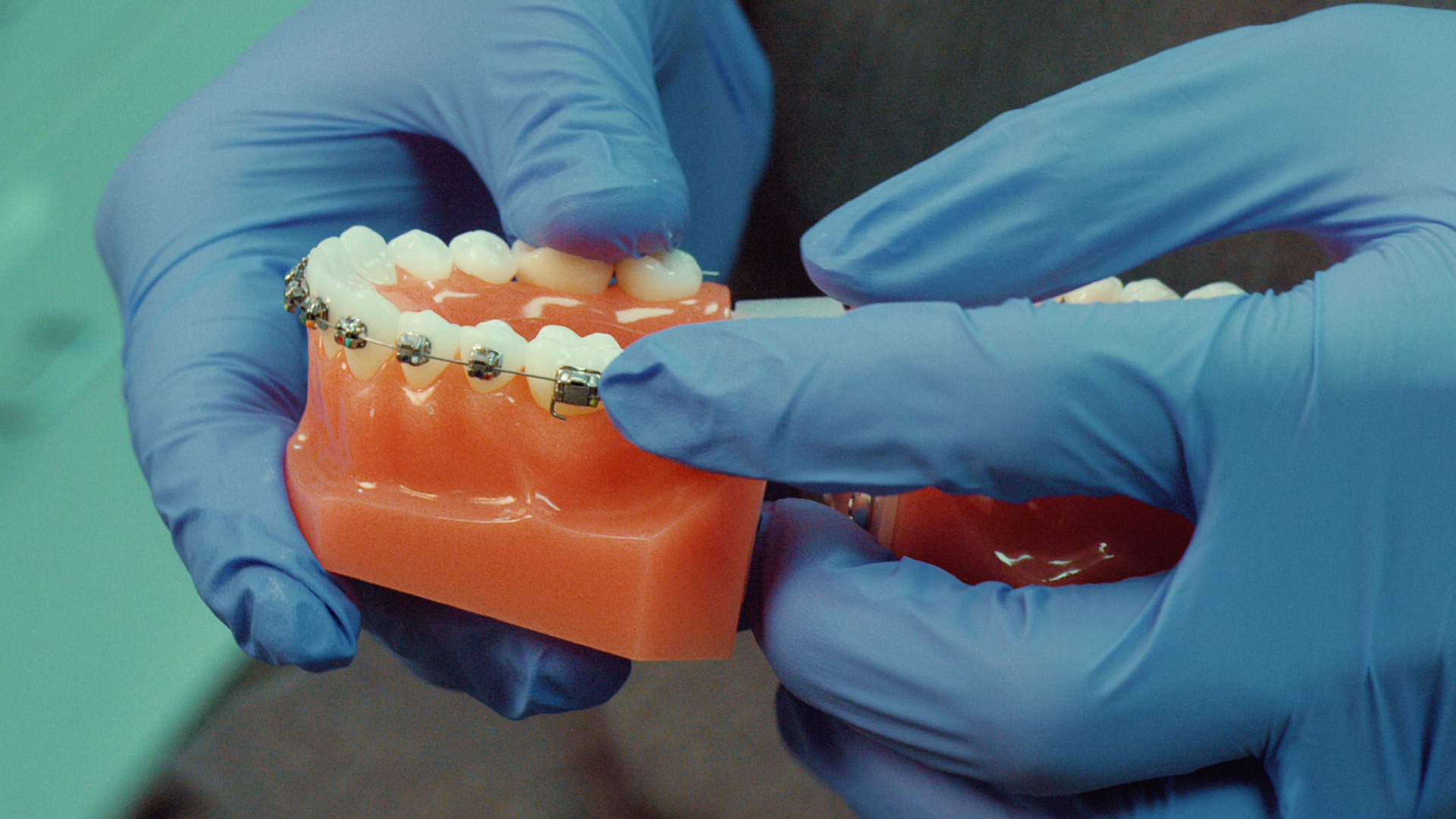
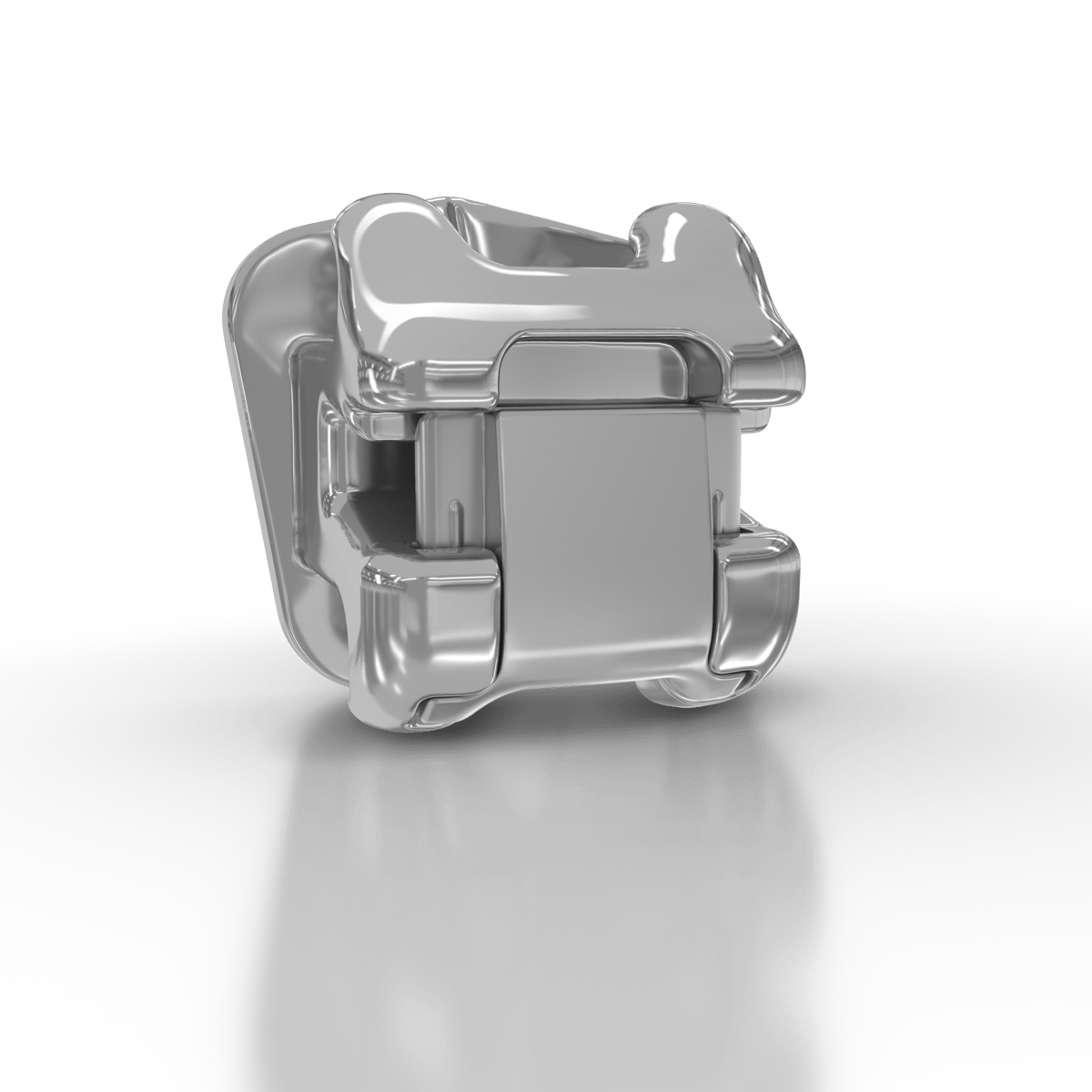
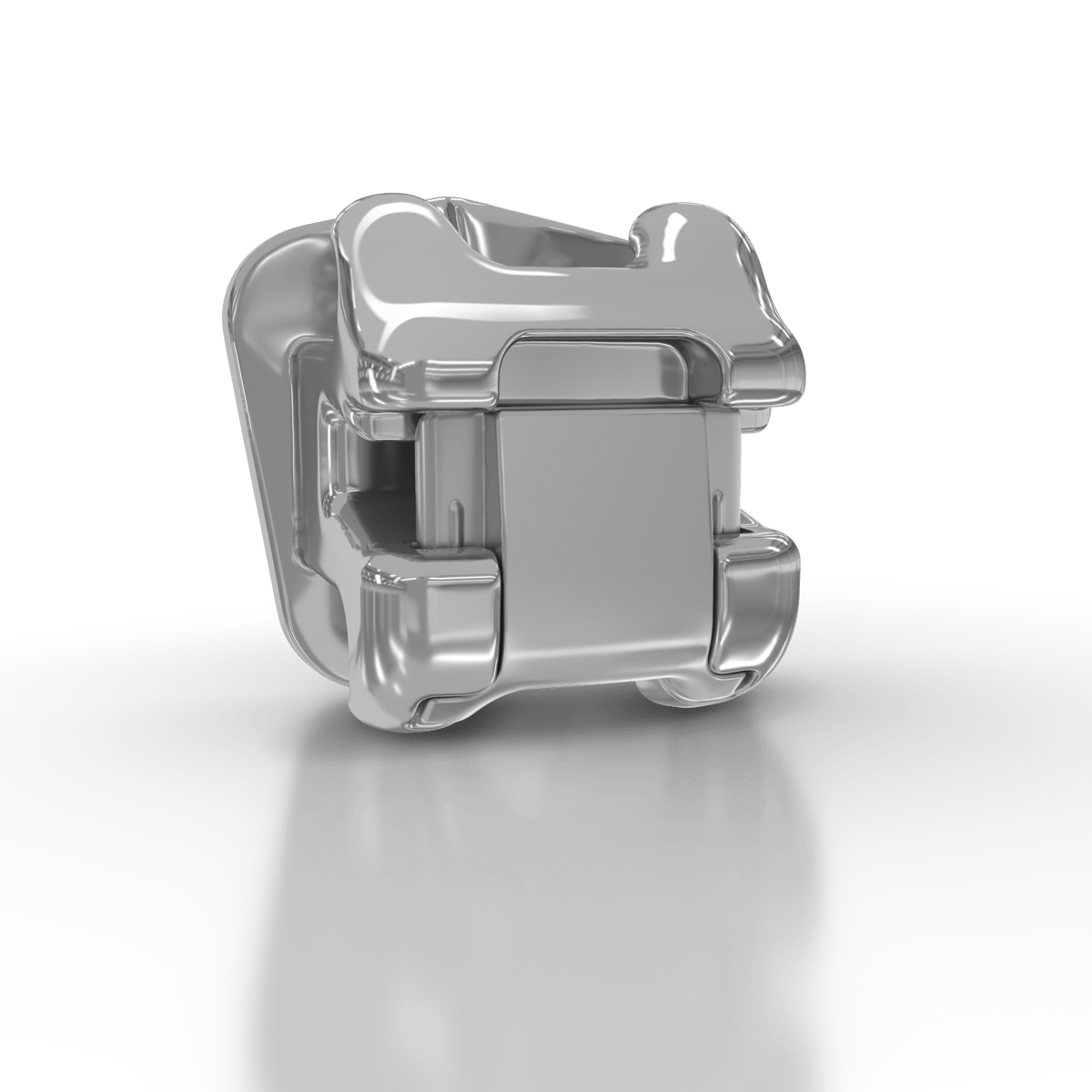
A conventional twin bracket generally uses a separate tie to hold the wire. A passive self-ligating bracket uses a door mechanism instead. Ormco, the Damon manufacturer, explains that design feature in its product information. [1]
I keep the mechanism and the treatment claim separate. The door tells you how the wire is retained; it does not explain the diagnosis or where space would come from. Product information can describe the mechanism. Claims about comfort, treatment length or the finished bite need comparative patient evidence.
Does Damon mean the braces come off sooner?
In an older randomized trial of extraction treatment for crowding, 48 patients were analyzed after treatment with Damon3 or conventional brackets. Damon3 did not improve total treatment duration, number of visits or bite outcome. The authors wrote that “bracket type had no effect on overall treatment duration.” [2]
A 2021 network meta-analysis included 30 randomized and nine split-mouth studies, with searches through January 2019. Most measured outcomes did not differ significantly among conventional, active self-ligating and passive self-ligating brackets. [3]
Those findings do not let me promise that every bracket works identically for every patient. They also do not support promising that the Damon name will make a complete course of treatment faster.
When a study says “faster,” check what it timed
A 30-patient trial measured upper-arch alignment during four months with Damon3 MX and conventional brackets. Alignment was faster in the Damon group, but the groups began with different amounts of upper crowding. The study did not measure the complete treatment course and found no significant pain difference. [4]
My first question about a “faster” claim is: what did the clock measure? Did it measure a wire-change task, an early alignment stage or the whole treatment? These are useful but different questions. The table separates them.
| Outcome being timed | What it can tell you | What it does not establish |
|---|---|---|
| Early alignment | How a measured stage progressed in that study. [4] | The date the full treatment will finish. |
| Wire handling | Time spent on a particular appointment task. [3] | A reduction in the number of months wearing braces. |
| Total treatment | The duration and finished outcome in the patients studied. [2] | A guarantee for a different patient or current appliance generation. |
What can the evidence tell you about comfort?
An 88-patient randomized trial found no difference in pain intensity between the tested self-ligating and conventional brackets at measured points during the first month. That finding cannot predict one person’s discomfort. [5]
There is another important limit to this comparison: these older trials do not directly test every current Damon Ultima protocol. They establish neither Ultima superiority nor equivalence of every current design. Appliance generation, patient group and the measured outcome all affect how a study can be applied. [2] [4] [5]
“Wider smile” needs a more precise explanation
That is why I do not think “wider” is a complete aesthetic goal. The explanation needs to connect the change you want to the teeth or jaw changes proposed to create it. Tooth position and upper-jaw width are different questions, covered in the palatal expansion and MARPE guide. A bracket name leaves both the amount and the purpose of a width change unexplained.
The Damon3 trial discussed above included extraction cases. It cannot support a promise that this bracket eliminates extractions. An extraction, expander or additional appliance needs a reason within the individual plan. [2]
A hypothetical comparison, not two patients I treated: two recommendations use the same bracket name, but one describes alignment and the other proposes a broader bite correction. The useful comparison is the planned movements, the source of space and the intended finish. The shared brand name does not establish that the plans address the same problem.
The door does not replace rubber bands or daily care
The door and elastics have different jobs. Elastics between selected teeth apply forces for particular bite movements and may still be prescribed with self-ligating brackets. Follow the exact pattern and number prescribed; adding extra elastics can cause harm. [6]
Daily care is still part of the treatment. Brush and clean between the teeth, avoid damaging the appliance with hard or sticky foods, and report a loose bracket or broken wire. If cleaning is difficult, tell me which area you cannot reach so the difficulty can be addressed. [7]
Ask about the follow-up schedule in your individual plan. After active treatment, retainers help maintain the correction, with individual wear and care instructions. [8]
Questions patients ask
Is Damon the same thing as clear aligners?
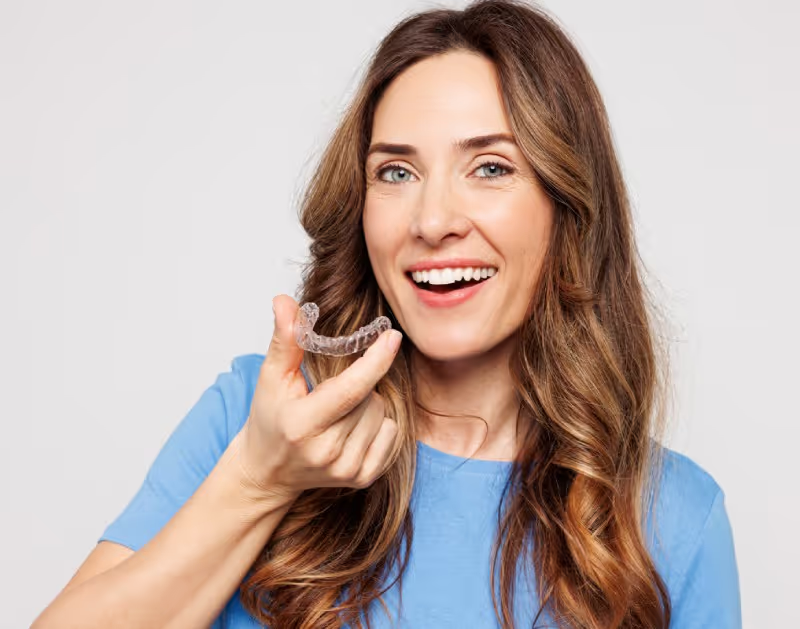
No. Damon is a fixed bracket-and-wire system. “Self-ligating” describes how the wire is held, not a removable tray. The proposed movements and daily demands are the useful comparison; those appliance categories are not interchangeable. [1]
Does a shorter wire-change appointment mean shorter treatment?
No such conclusion follows from handling time alone. The 2021 review evaluated that separately from overall treatment duration and did not substantiate most claimed differences between bracket types. A claim about finishing sooner needs evidence about complete treatment. [3]
Will I need rubber bands?
Possibly. The decision comes from the bite movements in the plan, not from whether a bracket has a door. If elastics are prescribed, use the exact pattern and wear instructions supplied for you. [6]
Does the Damon name remove the need for a retainer?
No. Retention remains part of maintaining the result after orthodontic treatment. The recommendation needs to specify the retainer, wear instructions and what to do if it no longer fits properly. [8]