
In this guide
I’m Dr. Namgu Kim. If one crooked tooth is what brought you to One Smile Orthodontics, that concern belongs at the center of the conversation. The next step is to connect it to the space available and the way your upper and lower teeth meet. “You need braces” is not a complete explanation of that plan.
Three parts of a braces plan: alignment, space and bite
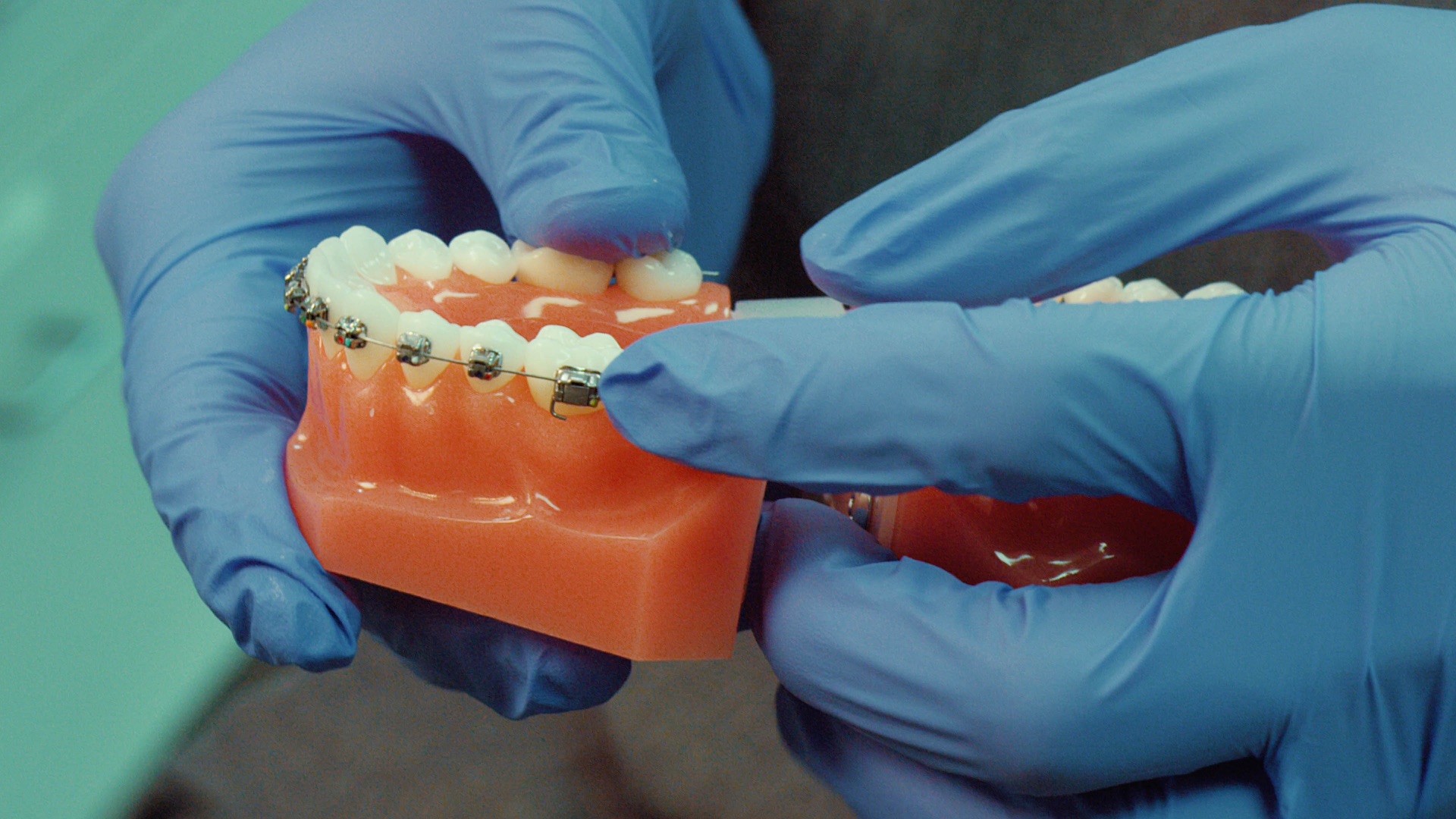
Brackets and an archwire apply forces to move teeth. They may be used to address crowding, gaps and bite problems, with other appliances when the plan calls for them. [1]
I separate the explanation into alignment, space and bite. “Straighter front teeth” names a visible goal. It does not explain where room for those teeth will come from or whether the way the back teeth meet also needs to change. Those are decisions worth understanding before choosing the appliance.
| Part of the plan | What should be clear in your own records |
|---|---|
| Alignment | Which teeth need to move, and what would the visible change be? |
| Space | Where would room come from for crowded teeth, or how would a gap be managed? |
| Bite | What should change in the way the upper and lower teeth meet? |
What I want the first-visit conversation to explain
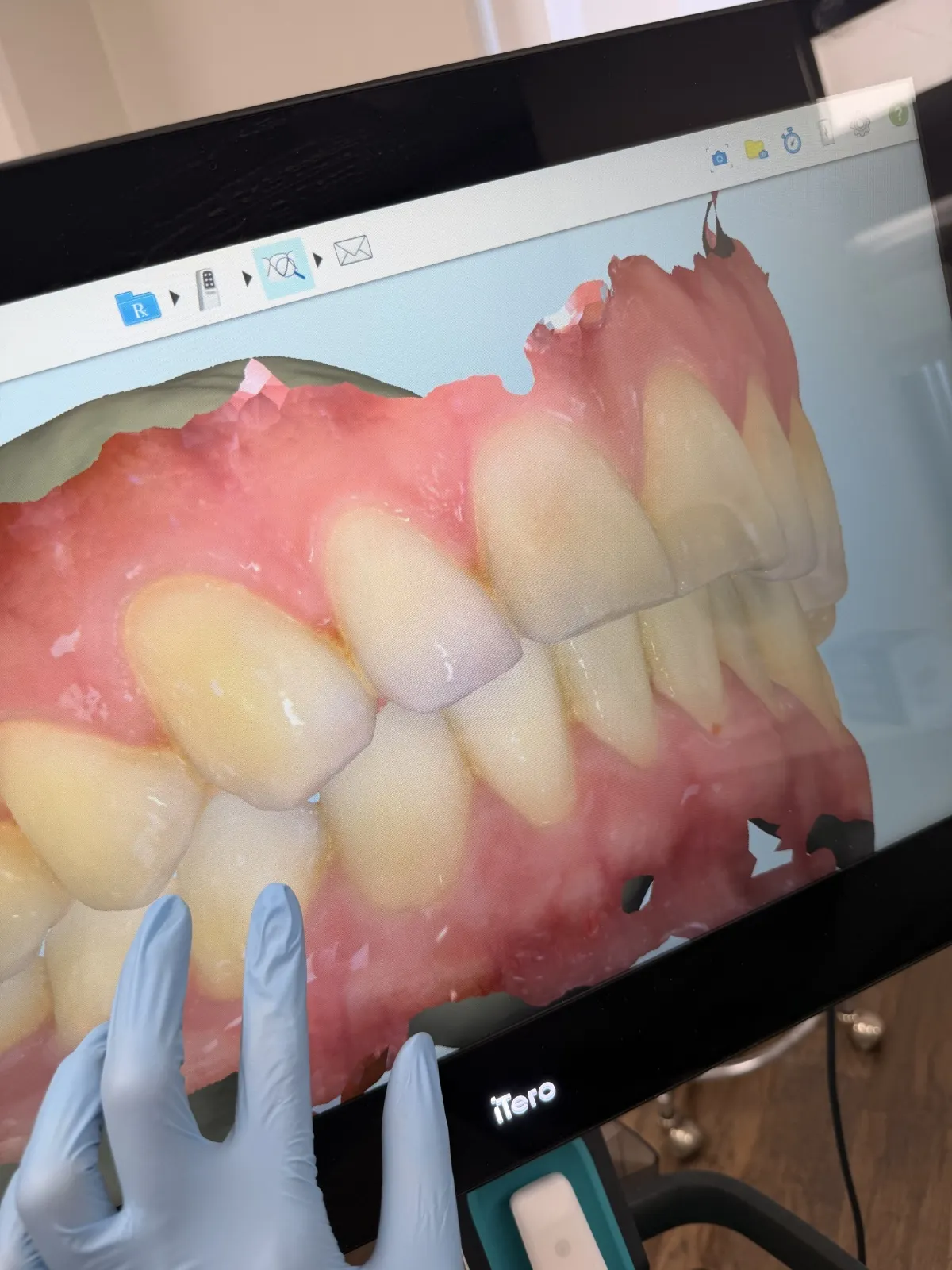
An examination and medical and dental history guide which records are needed. Photographs, X-rays or a scan can help explain the diagnosis, options, limitations, timing and cost. [2]
Ask me to point to the tooth or bite contact that explains my recommendation. If we need a scan or X-ray before I can answer, ask what I’m looking for on it.
If you already have a written recommendation, bring it and mark the part that is unclear. An old retainer may also help frame your questions. “Why does this plan include my back teeth?” gives us more to discuss than a comparison of monthly payments alone. The first-visit guide covers the appointment in more detail.
“Complex” does not automatically mean braces
When you smile, how much of each upper front tooth can you see? If you would like to see more of those teeth, I look at whether their position needs to change. That is a more useful starting point for choosing an appliance than the word “complex.”
The daily demands also differ. Braces stay attached; aligners come out for meals and cleaning and require consistent prescribed wear. Suitability depends on the intended movements and the individual case. [3]
Try walking through lunch at school or work. With aligners, where would you keep the trays and when would you put them back in? With braces, when could you clean around the brackets? My comparison of braces and aligners explains how these choices play out for different smiles. You can also read about Damon braces.
Plan for cleaning, meals and loose brackets
Good alignment is not the only concern during treatment; the condition of the teeth and gums matters too. Brackets add places where plaque can collect. Brush carefully around the gumline and brackets, clean between teeth daily, and have an interdental brush or flossing aid demonstrated if the wire makes access difficult. Poor cleaning can contribute to cavities and white marks. [5]
Hard or sticky foods can damage braces. Contact the office about a loose bracket or broken wire rather than saving the problem for the next scheduled visit. Follow the prescribed elastic routine and report trouble obtaining supplies. [5]
If daily care is difficult, tell me the actual obstacle: cleaning after a school lunch, reaching around a bracket or remembering supplies at work. “I need help with this part” is more useful than trying to make a difficult routine look successful.
Know the risks before treatment starts
Before teeth move, their condition and support need assessment. Decay, gum disease or poor plaque control may need attention first. Orthodontic risks can include root shortening, gum recession or loss of supporting tissue, and movement after treatment; the relevance differs from person to person. [4]
Ask which risks apply to your findings and what would be monitored during treatment.
A monthly payment does not show the full treatment scope
Duration and cost depend on the problem and the treatment plan. A general average cannot set an individual completion date or fee. [1]
I want you to compare what each recommendation is meant to accomplish before comparing payments. Put the goals, estimated time range and total fee together. Then check how the written estimate treats retainers, replacements, repairs and any additional treatment. Separate estimated insurance payment from your estimated share; the insurance guide explains those numbers.
A hypothetical comparison, not a patient case or price quote: one recommendation aims to align the front teeth; another also addresses a bite problem. Calling both “braces” does not make their scope identical. A smaller monthly payment can also spread an obligation over a different period. Neither the appliance name nor the monthly number answers what care is included.
If you had braces before, define what has changed
Retainers help maintain tooth positions after active treatment. Teeth can change over time, so follow the wear and care instructions for the prescribed retainer and contact the office if it is damaged or no longer fits as expected. [6]
Say one lower front tooth has turned since you last wore your retainer. Do you want it back in line, or has chewing started to feel different, too? Those are two different reasons to come back. If you still have the retainer, bring it and show me which change you noticed first.
Questions patients ask
Am I too old for braces?
Age alone does not settle the choice. Adults can be candidates for orthodontic treatment; the teeth, their support, the bite and available options need an examination. Start by telling me what you want to change; the examination can connect that goal with the relevant findings. [7]
Will I have to start treatment at the first appointment?
The first visit is for assessment and discussion. Before deciding, make sure the findings, any additional records needed and the proposed next step are clear. You can bring an unresolved question or a previous recommendation into that conversation. [2]
Can I choose a particular kind of bracket?
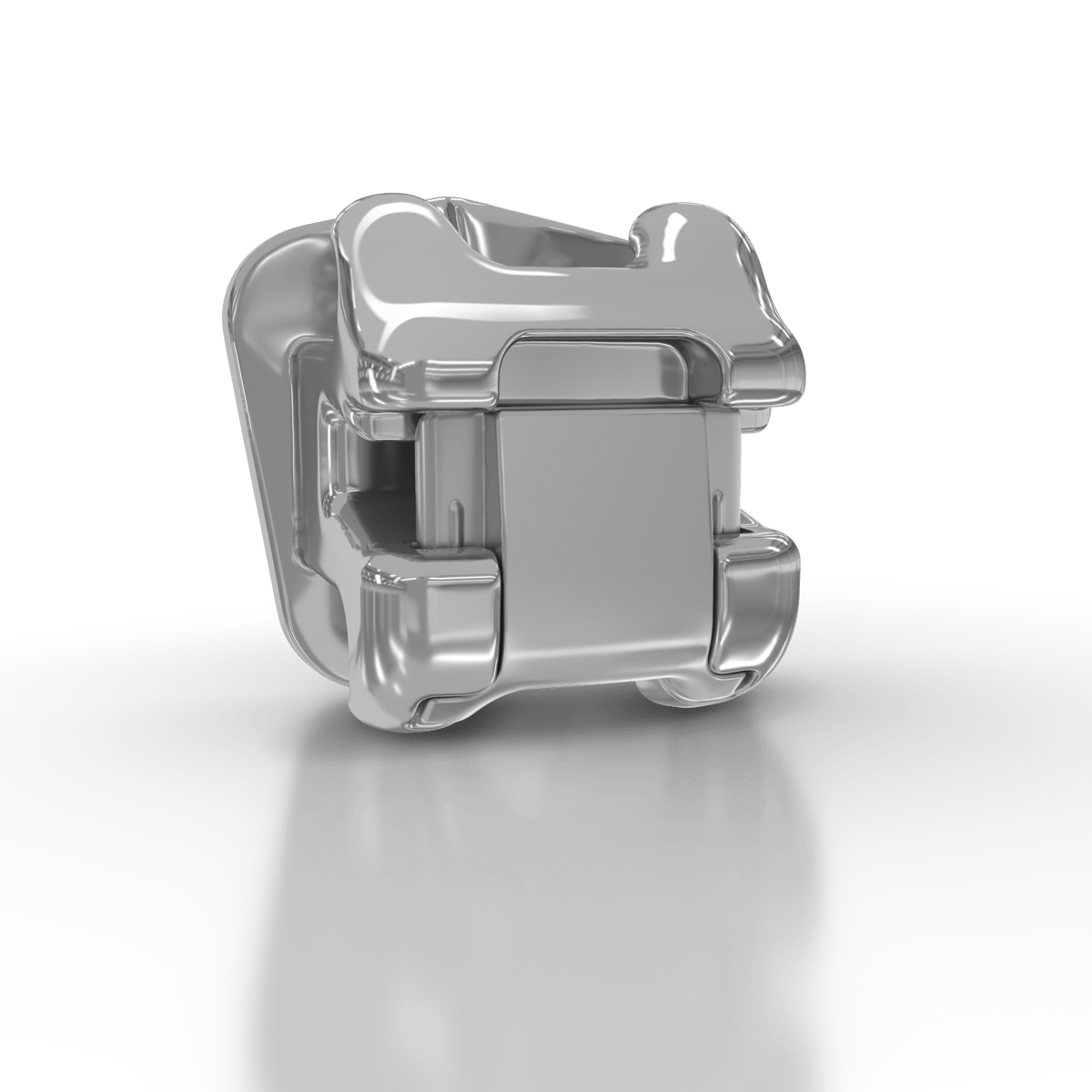
Tell me what matters to you—appearance, cleaning or choosing colors—and confirm which options are available and suitable for the proposed treatment. A bracket preference belongs in the conversation, but it does not replace the diagnosis or plan. [1]
Will I still need a retainer if my teeth look straight?
Yes. Looking straight is not a reason to stop retention. The retainer type, care and wear schedule need individual instructions so that the correction can be maintained after active treatment. [6]