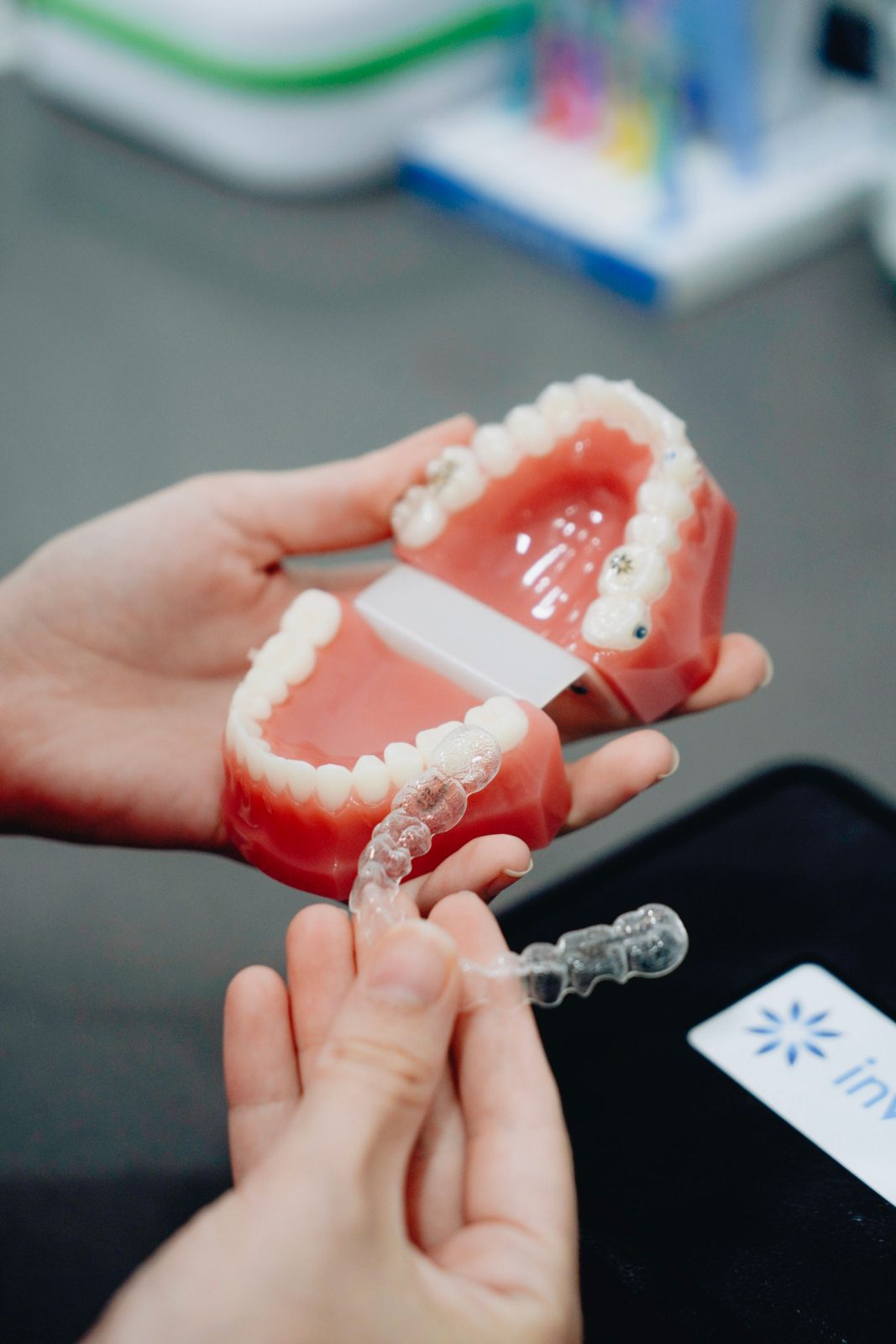
Mouth breathing can still affect an adult's face, but usually less dramatically than in a growing child. Over time, it may influence lip and tongue posture, muscle balance, head position, dental alignment and overall facial appearance. For mouth breathing, daily, I look for signs and skeletal patterns during all of my consultations and ask airway questions if needed and refer them in the right direction.
What orthodontics can still change in an adult face
Properly planned orthodontic treatment can significantly improve the lower third of the face by changing the bite, arch width, tooth position, lip support and facial proportions, sometimes even without surgery. For adults, MARPE uses small temporary anchors in the bone to expand the upper jaw directly. MARPE can actually expand the base of your nose and change the appearance.
Where the airway comes in
Tongue position matters because the airway in your throat sits right behind it. The tongue has to be forward and up to open the airway in the back. Myofunctional therapy can help by improving tongue posture, lip function and nasal-breathing habits, but it works best alongside orthodontic treatment rather than as a replacement for it. A sleep study is needed to diagnose sleep apnea, while an ENT evaluation or sleep endoscopy can help identify where the airway is collapsing. For adults, breathing comfort, sleep quality, gum health and identifying the underlying cause are also important.
Common related questions
Why is it less dramatic in an adult than in a child?
Major jaw-growth changes are much more likely during childhood. This is why it's important to expand when you're young. When you expand as an adult, the damage to the facial development pattern is already done and can't be undone.
Is a tongue tie worth checking at 40?
I usually just let patients lift their tongue to the palate, then check the tongue tie and see how their tongue moves. Even when I see someone who's 40, I refer them, so they can at least get a consult and hear what kind of benefit they can get out of a tongue tie release. And sometimes they grow back even after a tongue tie release.
Related answers
Get a straight answer about your own situation
A consultation is information, not a commitment. No pressure to start anything that day.
Call (626) 388-2621