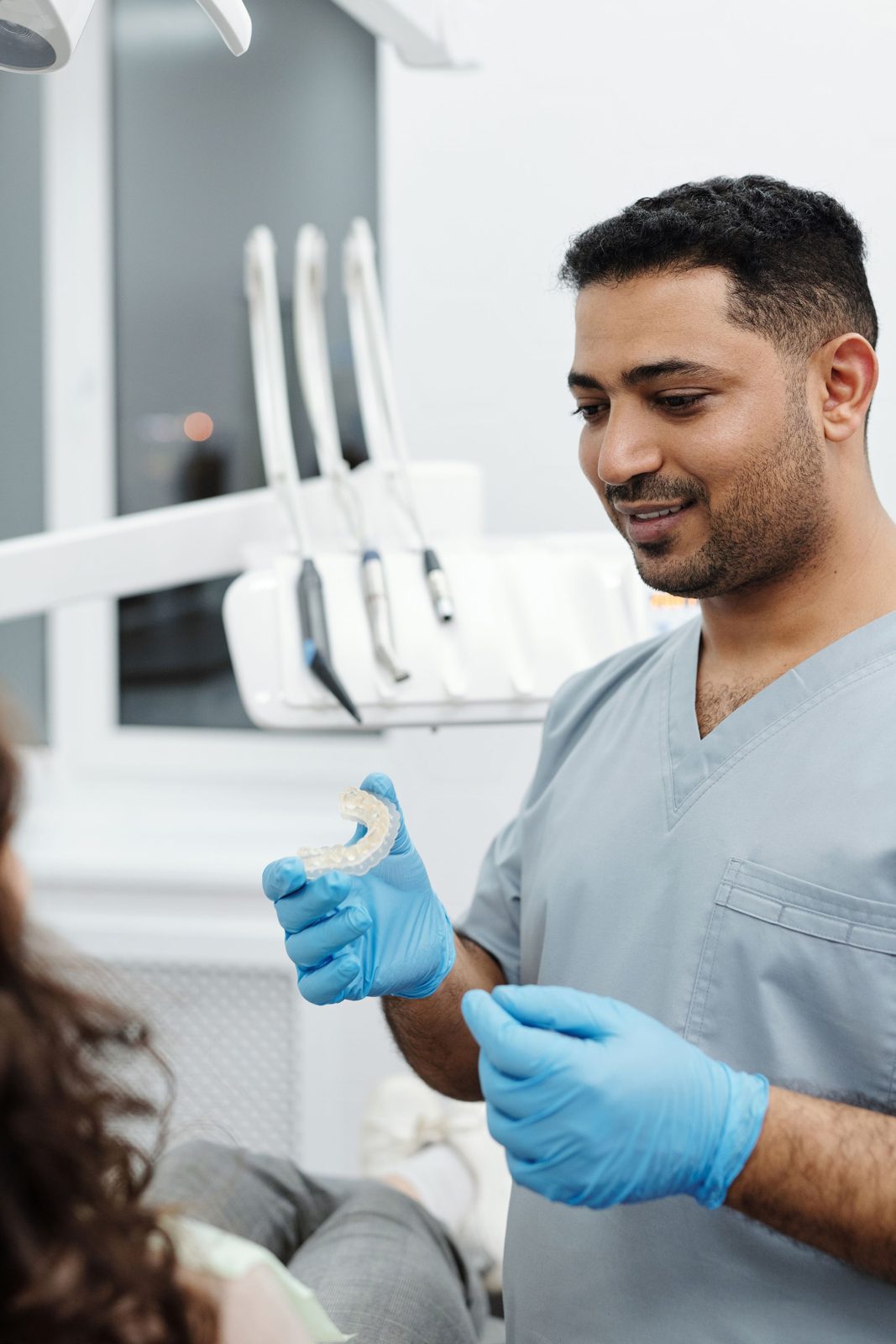
Choose on three things: the orthodontist's training and specialty, how clearly they explain your options, and whether you trust them to tell you when treatment is not needed. Price and convenience matter, but they come after fit. A good orthodontist gives you a straight diagnosis, lays out the real choices, and is willing to say “watch and wait” when that is the honest answer. In West Covina you have options, so it is worth choosing the one who treats you like a person, not a case.
Start with training
An orthodontist is a dental specialist who completed dental school and then several additional years of training focused only on tooth movement, bite correction, jaw growth, and facial balance.
People can only recognize what they have been trained to see, and orthodontics is all an orthodontist does, every day.
Every orthodontist also has a different eye and treatment philosophy. What they choose to address, and how they envision the final face and smile, can vary.
A general dentist may offer some aligner treatment, but for braces, expanders, and more complex cases, that specialty training and clinical judgment are what you are paying for. It is fair to ask about both.
Judge how they explain things
The best sign in a consultation is clarity. Can the orthodontist tell you, in plain language, what is going on, what the options are, and what each one involves? Do they show you, not just tell you? An office that rushes the explanation is telling you something.
Look for honesty about not treating
This is the quiet test most people miss. A trustworthy orthodontist will sometimes say a child is better served by waiting, or that a problem is mild enough not to chase. That willingness to not sell you treatment is one of the strongest signals you can get. It is also why an early screening, in line with the AAO's recommendation that all children be screened by an orthodontist at age 7, is usually about information rather than immediate treatment.
Then weigh the practical things
Once fit and trust are there, the practical factors matter: location and hours that work for your family, a clear explanation of cost and payment options, and a team you feel comfortable with over a treatment that often lasts a year or more. For West Covina families, a nearby office you actually like makes the regular visits far easier.
What to do next
Book a consultation and come prepared with questions. Pay attention to how clearly the orthodontist explains your concerns, treatment options, and expected results.
You should leave with a better understanding of your face, smile, and bite, not feeling confused or pressured.
Orthodontic treatment can take months or years, so you are choosing both a treatment plan and a doctor you trust throughout the process.
Common related questions
What is the difference between a dentist and an orthodontist?
An orthodontist completed dental school plus several additional years of specialty training focused on tooth movement and jaw growth. For braces, expanders, and complex cases, that specialty training is the relevant difference.
What should I ask at an orthodontic consultation?
Ask about their training, what your specific options are and what each involves, when treatment is and is not necessary, the expected length, and how cost and payment work. Notice how clearly they answer.
Is the cheapest orthodontist a bad idea?
Not automatically, but choose on fit and trust first. The lowest price is a poor reason to pick someone you do not understand or trust for a year or more of care.
Do I need a referral to see an orthodontist?
Usually no. Most orthodontic offices, including ours, see patients directly for a consultation without a referral.
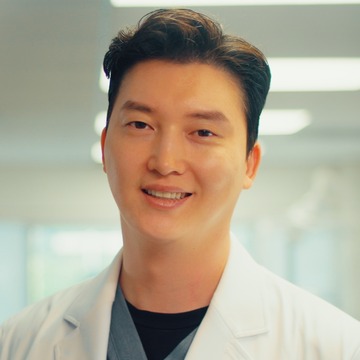
This page is general education and was clinically reviewed. It is not a diagnosis. Treatment should be based on an in-person evaluation.
Get a straight answer about your own situation
A consultation is information, not a commitment. No pressure to start anything that day.
Call (626) 388-2621